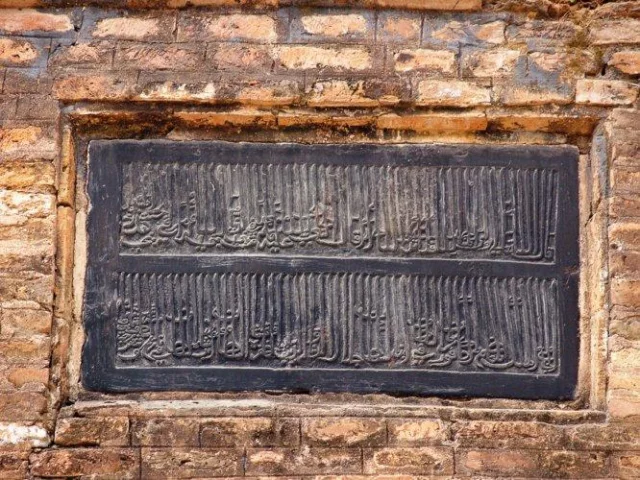
The Sufi heritage of Munshiganj and the shrine of Baba Adam Shahid
Munshiganj District, part of ancient Bikrampur, is one of the oldest centres of civilization in Bengal. The region has been home to diverse cultures, religions, and traditions for millennia, serving as a cradle of learning and spirituality.
Archaeological evidence suggests continuous habitation in the area dating back to at least the 7th century. The region's rich alluvial soil and strategic location along river routes made it a centre of commerce, religion, and culture throughout the medieval period.
Sufi saints played a transformative role in the spread of Islam across Bengal. Through their emphasis on love, compassion, and spiritual devotion, they attracted followers from all walks of life.
The Sufi movement in Bengal was characterized by its inclusive spirit, blending Islamic mysticism with local cultural traditions. Saints established khanqahs (spiritual retreats) that served as centres of learning, healing, and community gathering.
The shrine adjacent to the mosque honours the memory of the revered Sufi saint Baba Adam Shahid, whose spiritual legacy continues to inspire devotees across Bangladesh.
According to local tradition, Baba Adam Shahid was a prominent spiritual figure who arrived in Bengal to spread the message of Islam through peace and compassion. His sacrifice and devotion earned him the title "Shahid" (martyr), and his shrine has become a place of pilgrimage for those seeking spiritual solace and blessings.
A site of active worship and spiritual contemplation, drawing devotees from across Bangladesh and beyond.
The mosque and shrine serve as a focal point for community gatherings, cultural events, and religious observances.
Government and non-governmental organizations collaborate to preserve and restore this irreplaceable heritage site for future generations.